


Injuries can be frustrating for athletes, fitness enthusiasts, and even those who are just getting back into a regular exercise routine. Recovery is often slow, and without proper guidance, there’s a risk of re-injury or prolonged discomfort. In recent years, Artificial Intelligence (AI) has emerged as a game-changer in the field of sports science and fitness. From personalizing recovery plans to optimizing performance, AI is transforming how we approach injury management.
In this article, we explore how AI helps in injury recovery and enhances performance for smarter, safer training.
Understanding AI in Fitness and Recovery
Artificial Intelligence involves machines or software that can simulate human intelligence. In fitness and sports, AI systems analyze vast amounts of data, recognize patterns, and provide actionable insights. This allows users to receive personalized advice that’s tailored to their body, goals, and current condition.
For example, AI can assess your movement patterns, track your recovery progress, and suggest modifications to your exercise routine. Unlike traditional methods, AI takes into account real-time data, ensuring that your recovery plan evolves alongside your performance.
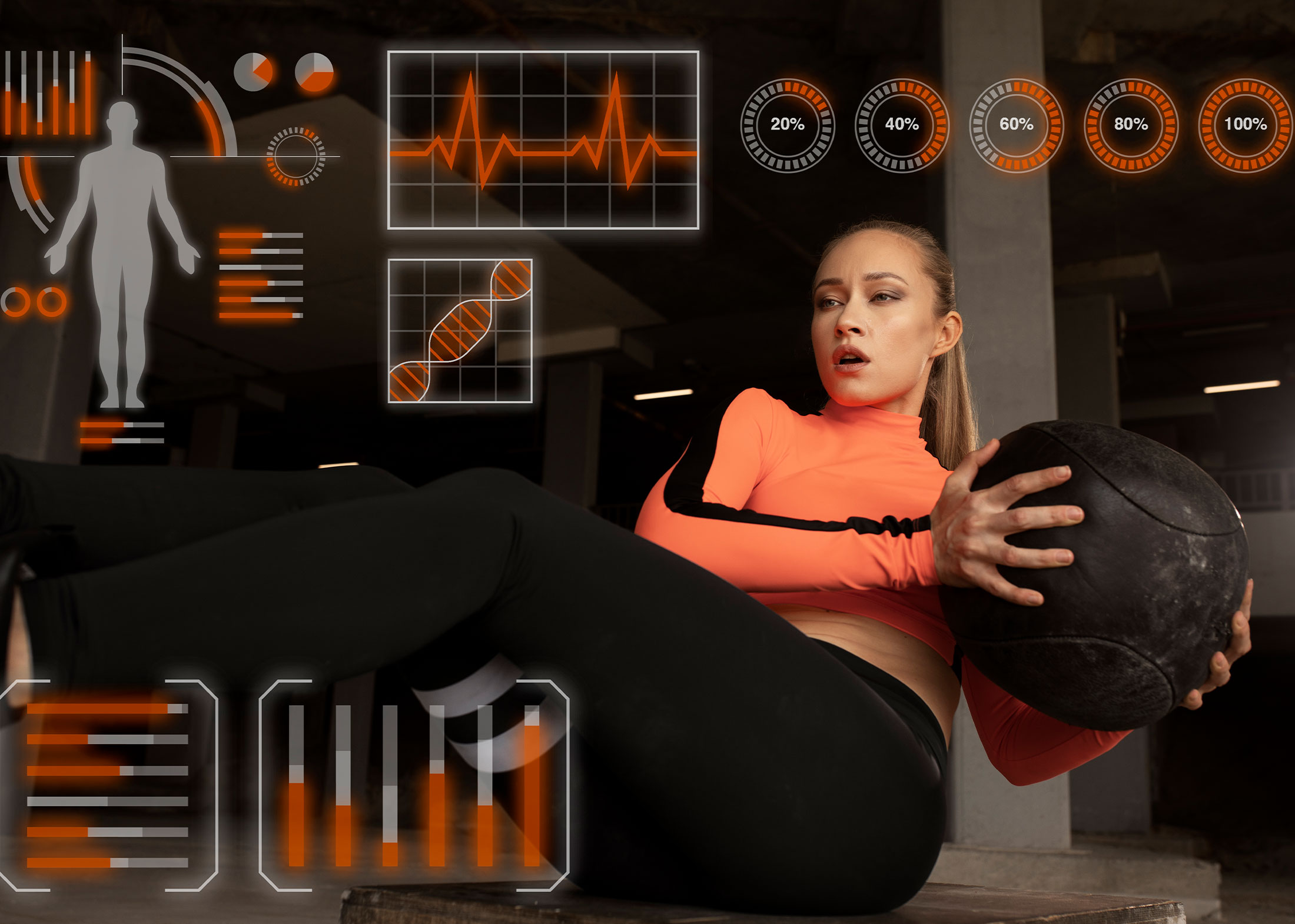
How AI Assists in Injury Recovery
Recovering from an injury requires careful planning and monitoring. Improper recovery can lead to setbacks or chronic issues. AI tools help by providing a structured, data-driven approach. Here’s how:
1. Personalized Recovery Plans
Every injury is different, and each person’s body responds uniquely. AI systems can design personalized recovery programs based on the type of injury, severity, and your fitness level. For instance, if you’ve suffered a knee injury, AI can suggest exercises that strengthen supporting muscles while avoiding strain on the joint.
These recovery plans can adapt over time. As your mobility improves or pain decreases, AI adjusts your program to ensure continued progress without overexertion.
2. Real-Time Monitoring and Feedback
One of the most significant advantages of AI is real-time monitoring. Wearable devices, such as smart sensors and fitness trackers, collect data on your movements, heart rate, and muscle activity. AI algorithms then analyze this data and provide instant feedback.
For example, if your movement is causing additional strain, the system can alert you to adjust your posture or technique. This prevents re-injury and helps you recover more efficiently.
3. Tracking Progress Accurately
Keeping track of your recovery progress can be challenging, especially if the changes are gradual. AI simplifies this by tracking metrics such as range of motion, muscle strength, and flexibility over time. This objective data helps you and your healthcare provider understand what’s working and what needs adjustment.
4. Predicting Risk of Re-Injury
AI can also predict potential risks of re-injury by analyzing your movement patterns and physical condition. By recognizing early signs of strain or imbalance, AI allows preventive measures to be taken before a minor issue becomes a major problem.
5. Integration with Telehealth
AI integrates seamlessly with telehealth platforms. You can receive guidance from physiotherapists and trainers remotely, with AI providing data-driven insights. This ensures that your recovery is guided by professionals even when you’re at home.
AI for Smarter Performance
Injury recovery is only one side of the coin. AI also plays a crucial role in improving athletic performance. By understanding your body’s strengths and limitations, AI helps you train smarter rather than harder.
1. Optimizing Training Routines
AI can design training plans that maximize results while minimizing the risk of injury. For example, it can recommend specific exercises, repetitions, and rest intervals based on your goals and current physical state. This ensures that you are training efficiently and not overloading your body.
2. Enhancing Technique and Form
Even minor errors in technique can lead to injuries over time. AI-powered motion analysis tools assess your movements in real-time and provide feedback to correct your form. Whether it’s running, lifting, or stretching, AI helps you perform exercises safely and effectively.
3. Personalized Nutrition and Recovery
Performance isn’t just about exercise; it’s also about recovery and nutrition. AI can suggest personalized meal plans, hydration schedules, and recovery techniques based on your activity level, metabolism, and fitness goals. Proper nutrition accelerates recovery and enhances overall performance.
4. Mental Conditioning
AI doesn’t just monitor the body; it can also aid in mental preparation. Some AI systems track stress levels, sleep patterns, and focus metrics to suggest mindfulness exercises or mental training techniques. Mental resilience is as important as physical strength when it comes to performance.
5. Continuous Improvement Through Data
With AI, every training session provides valuable data. By analyzing this information, AI can detect patterns and recommend incremental improvements. Over time, these small optimizations lead to significant gains in performance.
AI Injury Assistant: The Future of Recovery
One notable example of AI in injury management is the AI injury assistant offered by Athlix. This tool combines multiple AI technologies to provide a holistic approach to recovery. It assesses injury severity, tracks progress, offers exercise suggestions, and predicts risks, all personalized to the user.
Unlike generic recovery programs, it adapts to your unique needs, ensuring that your rehabilitation is both safe and effective. It’s like having a dedicated coach, physiotherapist, and health analyst all in one.
Benefits of Using AI in Recovery and Performance
- Efficiency: AI reduces trial and error by providing precise guidance.
- Safety: Real-time feedback prevents re-injury and ensures proper form.
- Personalization: Tailored programs meet your unique needs and goals.
- Convenience: AI tools can be accessed anytime, anywhere, making recovery easier.
- Data-Driven Decisions: Objective insights guide smarter training and recovery strategies.
Final Thought
Artificial Intelligence is revolutionizing the way we approach injury recovery and performance enhancement. From personalized recovery plans to real-time monitoring, AI provides the guidance needed to recover faster, prevent re-injury, and achieve smarter training outcomes.
The integration of AI in fitness and sports science ensures that recovery and performance optimization are no longer guesswork. Tools like the AI injury assistant exemplify how technology can bridge the gap between human potential and actual results, making injury recovery safer, faster, and smarter.
Whether you’re a professional athlete or someone simply trying to stay active, embracing AI in your fitness journey can help you train smarter, recover better, and reach your goals more efficiently.

